
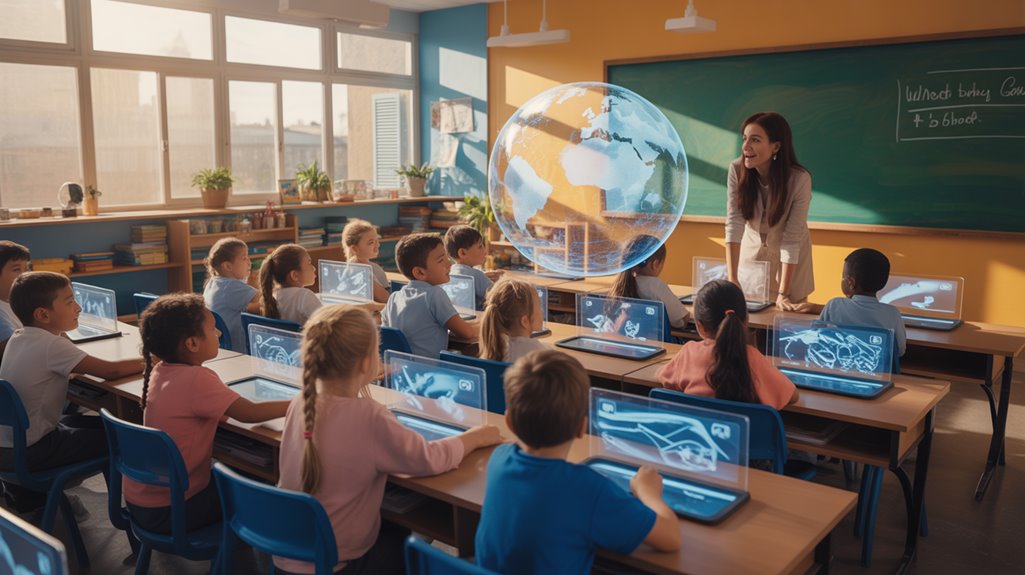
Innovative educational technologies are revolutionizing learning by enhancing engagement and fostering curiosity. These advancements prioritize clarity and self-reflection, thereby reshaping how students interact with information. Collaborative development and tailored feedback mechanisms cultivate independent thinkers equipped to navigate modern complexities. In addition, these tools bridge theory with real-world applications, driving student confidence and retention. This transformational approach is just the beginning, promising to release even more potential in education as exploration continues.
The Vision Behind Study Mode
The vision behind Study Mode emerges as a transformative approach to education, aiming to redefine how learners interact with information. This initiative emphasizes vision clarity, fostering an environment where learning engagement thrives. By integrating tailored guidance and Socratic questioning, Study Mode encourages students to explore deeper into subjects, moving beyond rote memorization. It champions curiosity-driven exploration and self-reflection, aligning with the inherent desire for freedom in learning. Through personalized support, it empowers individuals to take control of their education, dismantling traditional barriers. Ultimately, Study Mode seeks to cultivate a generation of independent thinkers equipped for the complexities of the modern world.
Collaborative Development and Educational Research
Harnessing the expertise of educators and researchers, the development of Study Mode stands as a showcase of collaborative innovation in educational technology. This initiative exemplifies collaborative pedagogy, merging insights from teaching professionals and learning scientists to foster deeper understanding. By prioritizing educational innovation, Study Mode cultivates curiosity and self-reflection, steering learners toward critical engagement rather than rote task completion. The synthesis of these diverse perspectives enhances the tool’s effectiveness, ensuring it addresses real educational needs. As stakeholders unite in this endeavor, they pave the way for a transformative learning experience rooted in collaboration, ultimately enriching the educational landscape for all.
Interactive Features for Enhanced Learning
Building on the collaborative foundation established by educators and researchers, the interactive features of Study Mode serve as a pivotal element in enhancing the learning experience. By integrating interactive quizzes and personalized feedback, learners engage deeply with content, fostering a sense of autonomy. These interactive elements encourage curiosity and critical thinking, moving beyond rote memorization. Students receive tailored insights based on individual progress, promoting a more meaningful understanding of complex subjects. This dynamic approach not only enhances retention but also empowers learners to take charge of their educational journey, redefining traditional learning paradigms in an increasingly digital landscape.
Real-World Applications and Student Feedback
How can innovative educational tools transform real-world learning experiences? By bridging theoretical concepts with real-life scenarios, these tools empower students to apply knowledge practically. Student testimonials highlight newfound confidence and engagement, illustrating a shift from rote learning to meaningful exploration. Through structured learning plans, students tackle complex subjects like Game Theory and Accounting, revealing personal relevance and enhancing critical thinking. Feedback emphasizes the importance of interactive elements that foster curiosity and retention. As learners navigate challenges, they report deeper understanding and practical skills, showcasing the profound impact of integrating technology into education. This approach reveals a transformative learning dynamic, promoting collaboration improvement and enhancing the overall educational experience.
Future Enhancements and Educational Goals
A myriad of future enhancements is poised to reshape educational tools, driving a more nuanced approach to learning. Emerging future trends in educational technology promise to personalize learning experiences, fostering autonomy and deeper engagement. Innovations such as adaptive learning algorithms and immersive environments will empower students to navigate their educational journeys with greater freedom. Additionally, leveraging data insights will enable educators to tailor curricula that resonate with diverse learning styles, promoting inclusivity. As these advancements unfold, they will not only enhance knowledge retention but also cultivate critical thinking, ensuring learners are prepared for the complexities of an ever-evolving world.
Navigating Limitations and Challenges
What challenges emerge when integrating innovative learning tools into traditional educational frameworks? Fundamental limitations arise, particularly in user engagement strategies, as educators must adapt to diverse learning styles while overcoming inherent technological barriers. Resistance to change among educators and institutions can hinder the seamless adoption of these tools, which are designed to foster deeper understanding. Additionally, disparities in access to technology may exacerbate existing inequalities, leaving some students behind. Addressing these challenges requires a concerted effort to cultivate an environment that embraces innovation, ensuring that all learners can harness the full potential of contemporary educational advancements.
Commitment to Continuous Improvement and Research
Recognizing the dynamic nature of education, the developers of the new study mode remain steadfast in their commitment to continuous improvement and research. By implementing robust research initiatives, they analyze user interactions and outcomes, paving the way for innovative improvement strategies. This proactive approach fosters an environment where educational tools evolve alongside learners' needs, enhancing engagement and comprehension. Emphasizing collaboration with educators and researchers, they aim to refine methodologies that promote critical thinking and self-directed learning. This commitment not only addresses current limitations but also lays the groundwork for a transformative educational experience, empowering students to thrive in an ever-changing landscape.
Frequently Asked Questions
How Does Study Mode Differentiate From Traditional Learning Methods?
Study mode diverges from traditional methods by fostering active engagement and providing personalized feedback. This approach encourages deeper exploration and critical thinking, empowering learners to take ownership of their educational journeys through tailored interactions and reflective questioning.
Can Study Mode Be Used for Self-Study Outside of Formal Education?
Studies indicate that 70% of learners prefer self-directed learning. The study mode’s flexible scheduling empowers users to engage in personalized exploration, fostering deeper understanding and enabling effective study outside traditional educational frameworks when desired.
Is There a Cost Associated With Using Study Mode?
The cost associated with study mode involves a thorough cost analysis of various pricing structures. Users can access it for free or opt for Plus, Pro, or Team subscriptions, promoting educational freedom for diverse learners.
What Subjects Are Best Suited for Study Mode Assistance?
Like a compass guiding explorers, study mode excels in math concepts and language acquisition. Its tailored approach fosters understanding, enabling learners to navigate complexities and cultivate knowledge, transforming challenges into pathways for personal educational freedom.
How Can Educators Integrate Study Mode Into Their Teaching Practices?
Educators can integrate study mode by designing interactive activities that leverage its personalized feedback capabilities. This approach encourages student engagement, fosters independent exploration, and ultimately enhances critical thinking, making learning both dynamic and tailored to individual needs.