
An AI summit can mean a technical research meeting, an enterprise conference or a broader technology event. The shared label does not tell you whether its sessions suit your interests. Read the agenda as a plan for what you will learn, rather than treating a large speaker list as proof of value.
Identify the event precisely
Check the organiser, city, edition and official event website. On 25 October 2026, the official Australia site advertised a return to Melbourne Convention and Exhibition Centre from 23–25 August 2027, while its agenda and FAQ pages still documented the September 2026 edition. A search result can therefore lead to an earlier programme even when the organiser is correct.
This article does not quote a ticket price. Dates, passes and access conditions change and should be confirmed on the organiser's current page before booking. Check the actual venue and attendance format rather than assuming every event using the same series name has the same arrangements.
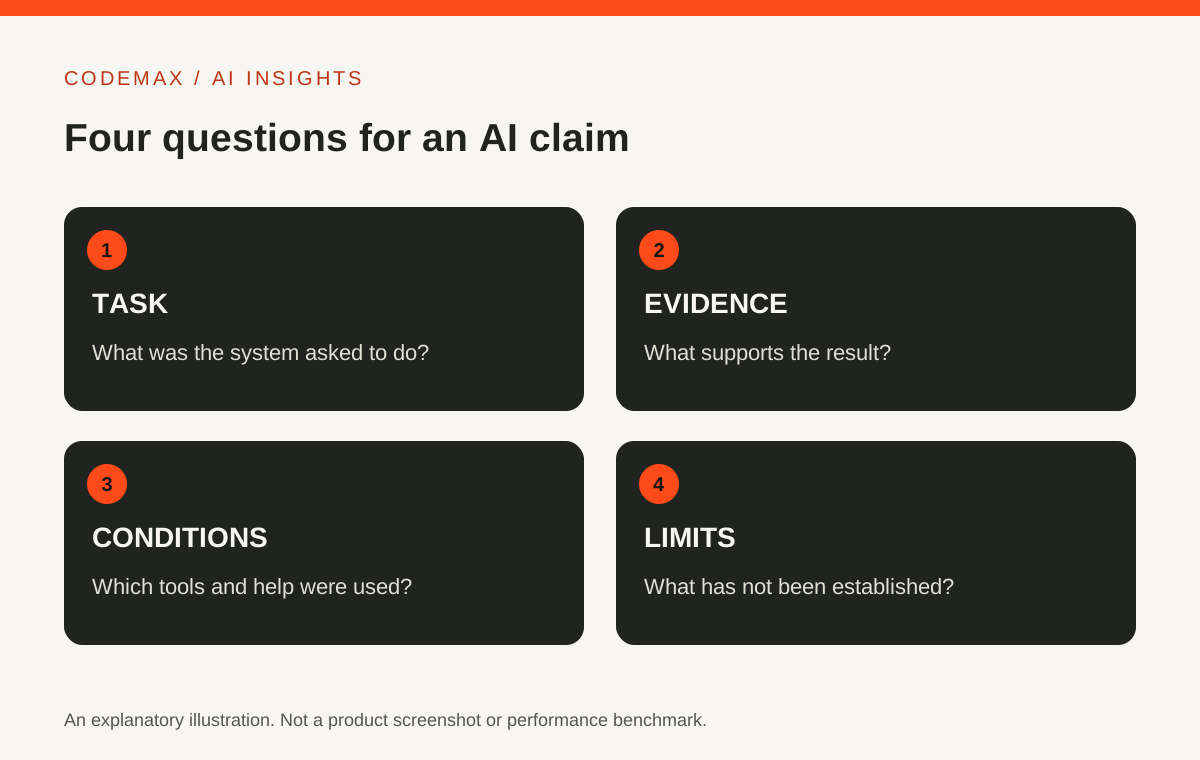
Choose a learning goal
Write down three questions you want answered. You might want to understand how an AI agent is evaluated, how creative teams use image tools, or what skills a beginner should study. Then look for sessions whose descriptions address those questions directly.
A broad keynote may provide context, while a workshop may offer a practical exercise. Both can be useful, but they serve different purposes. The published 2026 agenda separated plenaries, masterclasses, conference sessions and showcase-theatre sessions, and its FAQ described different access for different pass types. Check the current requirements instead of assuming every listed session is included.

Distinguish evidence from a sales story
Look for speakers who explain the problem, the method and what did not work. A case study becomes more informative when it includes a baseline, a measurement period and limitations. A percentage improvement without context is difficult to interpret.
During a session, note whether a capability is demonstrated live, shown in a recording or described as a future goal. These are different forms of evidence. You can appreciate an ambitious idea while keeping its maturity clear in your notes.
Plan conversations as well as sessions
If networking matters, decide whom you want to learn from and why. Prepare a short question about their work rather than a generic request to explain AI. Respect that other attendees may be there to learn rather than receive a sales pitch.

Leave room in your schedule to reflect. Moving from one presentation to another without writing down conclusions can make a busy day surprisingly hard to use afterwards. A brief note after each session is often more valuable than collecting every slide.
Turn attendance into a small follow-up project
Choose one idea to test after the event. Define the input, expected output and a way to evaluate it. Keep links to the original sources so you can distinguish what the speaker claimed from what you observed yourself.
An event is worthwhile when it helps you make a better decision, learn a useful skill or form a relevant connection. The agenda, practical requirements and evidence on offer are better guides than the word summit alone.
Sources and further reading
- The AI Summit Australia: About the series
- The AI Summit Australia: Official website
- The AI Summit Australia: Published 2026 agenda
- The AI Summit Australia: FAQs and pass access
Source-based explainer first researched 30 September 2026; official event information and image reuse terms rechecked 25 October 2026. The photographs are independently licensed context and do not depict The AI Summit Australia. Examples are illustrative unless identified as reported research.
Explore more AI news and insights or browse the CodeMax journal.