
In the dynamic world of online commerce, while general marketplaces like eBay and Amazon have carved out massive slices of the pie, a more specialised, community-driven trend is rapidly gaining traction: the niche marketplace. These platforms connect buyers and sellers around specific interests, products, or services, offering a tailored experience that broad e-commerce giants often can”t match. For entrepreneurs looking to make a significant impact, Australia’s unique market conditions present a fertile ground for cultivating highly profitable niche platforms. This comprehensive guide will walk you through everything you need to know, from identifying your goldmine niche down to the nitty-gritty of legal compliance and marketing, setting you up for a successful launch in the land Down Under.
Why Australia is the Perfect Breeding Ground for Niche Platforms
Australia isn’t just a beautiful country; it’s a vibrant, digitally-savvy market brimming with potential for niche ventures. Several factors converge to make it an ideal launchpad:
Strong Digital Adoption and Tech-Savvy Population: Australians are keen online shoppers and early adopters of technology. With high internet penetration and a significant portion of the population comfortable with online transactions, the groundwork for digital marketplaces is already well-established. According to a report on Australia – eCommerce, the Australian e-commerce market continues to grow robustly, demonstrating a clear appetite for online shopping and services.
Geographic Spread & Localised Demand: Our vast distances mean that finding specific products or services can sometimes be a challenge, especially in regional areas. Niche marketplaces can bridge this gap, connecting consumers in remote locations with suppliers of specialised goods or services, fostering a sense of local community regardless of physical distance.
Support for Local Businesses and Artisans: There’s a strong cultural leaning towards supporting local, small businesses, artisans, and ethical producers. Australians value craftsmanship, sustainability, and unique offerings, making them ideal customers for marketplaces showcasing local talent and specialised goods.
Specific Australian Trends: The market is ripe with trends that beg for niche solutions. Think platforms for:
Sustainability and Eco-friendly Products: Growing demand for ethically sourced, zero-waste, or upcycled goods.
Local Produce and Artisan Foods: Connecting consumers directly with farmers, bakers, and specialty food producers.
Unique Hobbies and Collectibles: From vintage Holden parts to bespoke surfing gear or specialised camping equipment.
B2B Services: Connecting specific industry professionals, like freelance agricultural consultants or regional tourism operators.
Identifying Your Profitable Niche (The Gold Mine Down Under)
The heart of a successful marketplace lies in its niche. It”s about finding that sweet spot where passion meets market need and bridging a gap in the Australian market.
Problem-Solving Approach: What specific problem can your marketplace solve for a defined group of Australians? Is it helping busy parents find unique, educational toys? Connecting regional wineries with national buyers? Or simplifying the search for certified Indigenous tour guides? Identify a pain point and offer a tailored solution.
Niche vs. Broad: The trick is finding a niche that”s not too narrow to limit growth, but not so broad it becomes too competitive with established giants. For instance, instead of “furniture,” consider “restored mid-century Australian furniture” or “custom-built outdoor living spaces.”
Leveraging Australian Trends, Communities, and Cultural Aspects: Dive deep into what makes Australia unique. Are there strong communities around particular sports (e.g., AFL memorabilia, niche fishing gear), cultural activities (e.g., Indigenous art and craft supplies, bush tucker ingredients), or regional specialities? These can be powerful foundations for a marketplace.
Tools for Niche Discovery:
Google Trends AU: See what Australians are searching for and identify rising interests.
Social Listening: Monitor local Facebook groups, forums (e.g., Whirlpool for tech, specific hobby forums), and Reddit communities for recurring frustrations or unmet needs.
Competitor Analysis: Look at general marketplaces. What are their weaknesses when it comes to specialised items? What do people complain about?
Local Forums and Events: Attend markets, expos, and community events to observe and talk to potential buyers and sellers directly.
Validating Your Idea & Business Model
Before you invest significant time and money, it”s crucial to validate your idea. Don’t just assume; prove it!
Market Research Essentials:
Surveys: Create online surveys targeting your identified buyer and seller demographics. Ask about their current pain points, desired features, and willingness to pay.
Interviews: Conduct one-on-one interviews with potential users. These qualitative insights are invaluable for understanding motivations and specific needs. Ask sellers what they”d need to join, and buyers what would make them use your platform.
Analyzing the Competition: Look beyond direct competitors. What existing solutions (even offline ones) are Australians currently using? What”s working well, and more importantly, what’s missing in Australia that your platform can provide?
Defining Your Unique Value Proposition (UVP): What makes your marketplace stand out? You need a compelling UVP for both sides:
For Sellers: Why should they list with you instead of existing channels (e.g., lower fees, targeted audience, better tools, community support)?
For Buyers: Why should they purchase from your platform (e.g., curated selection, quality guarantee, unique items, better pricing, ease of discovery)?
Developing a Minimum Viable Product (MVP) Strategy: Start small and iterate. An MVP is a version of your marketplace with just enough features to be usable by early customers who can then provide feedback for future product development. This allows you to test your core assumptions without building a full-blown, costly platform from day one.
Building Your Platform: Technology & Design Considerations
Choosing the right technology and focusing on intuitive design are paramount for a successful online presence. For Australian businesses seeking expert guidance on this topic, partnering with a specialist firm like Codemax can provide a significant competitive advantage.
Build vs. Buy:
SaaS Marketplace Solutions: Platforms like Sharetribe or Mirakl offer pre-built functionalities, speeding up launch time and reducing initial costs. They”re great for MVPs but might offer less customisation.
Custom Development: Building from scratch provides ultimate flexibility and scalability tailored precisely to your niche’s unique needs. This is where a trusted Australian web development partner like Codemax shines, delivering bespoke solutions engineered for your specific vision and the local market.
Key Features for an Australian Audience:
Localised Search: Allow users to filter by postcode, suburb, state, or even regional areas.
Payment Gateways: Integrate popular Australian payment options like Stripe AU, PayPal AU, and consider local favourites like Afterpay or ZipPay for consumer goods.
User Reviews and Ratings: Essential for building trust and community.
Robust Messaging System: For seamless communication between buyers and sellers.
Shipping and Logistics Integrations: If applicable to your niche, integrate with local carriers like Australia Post or regional courier services.
User Experience (UX) and User Interface (UI) Design:
Mobile-First Approach: Most Australians access the internet via mobile devices. Ensure your platform is responsive, fast, and easy to use on smartphones and tablets.
Intuitive Navigation: Users should easily find what they’re looking for, whether they’re browsing, searching, or managing their listings.
Clean and Engaging Design: Reflect your niche’s aesthetic. A marketplace for artisanal crafts will look different from one for industrial B2B components.
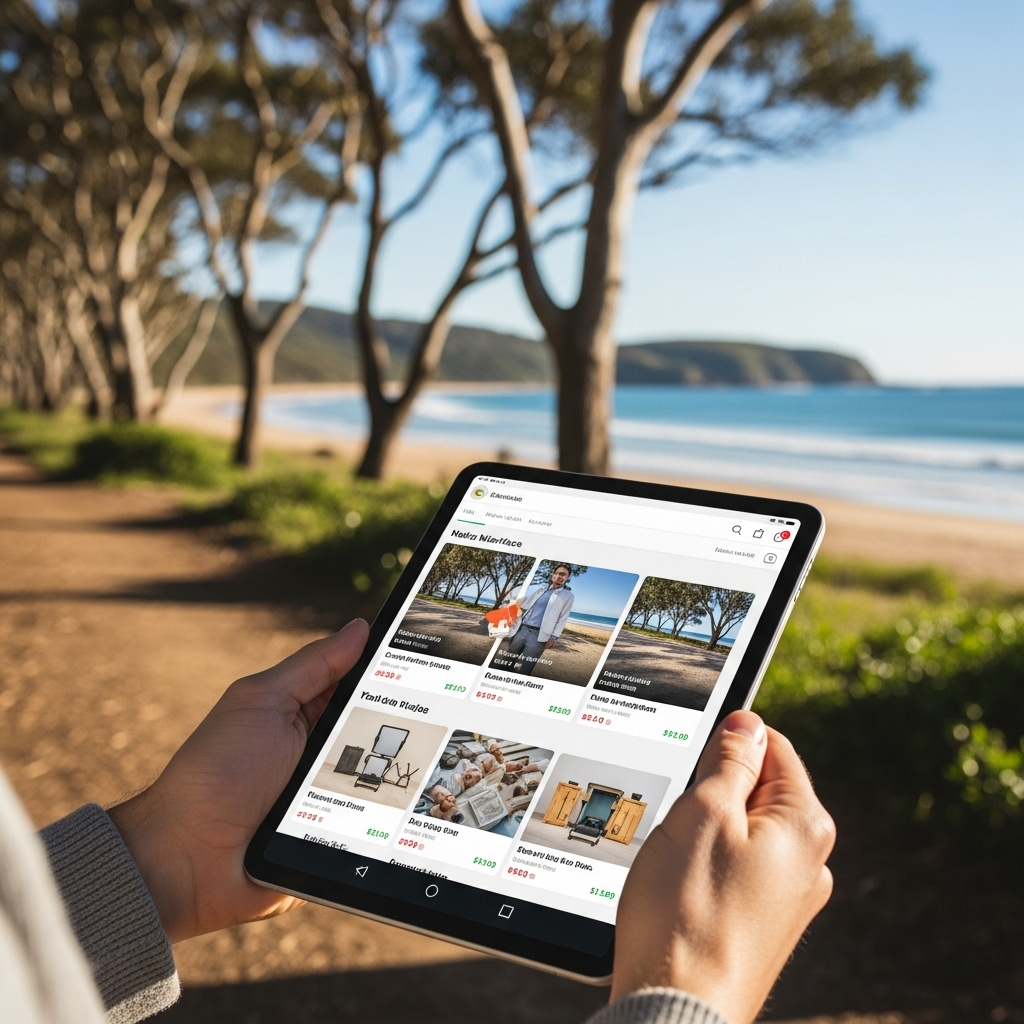
Scalability and Future-Proofing: Plan for growth from the outset. Your chosen technology and architecture should be able to handle increasing user numbers, transaction volumes, and potential new features without requiring a complete overhaul. An experienced digital solutions provider like Codemax can help ensure your platform is built to scale effectively.
Understanding Australia”s legal framework is critical for any online business. Don”t skip this step!
Business Registration:
ABN (Australian Business Number): Essential for all businesses.
ACN (Australian Company Number): If you register a company.
Legal Structure: Decide if you”ll be a sole trader, partnership, company, or trust.
Australian Consumer Law (ACL) and Consumer Guarantees: Administered by the ACCC (Australian Competition and Consumer Commission), the ACL protects consumers, ensuring products and services meet certain standards. Your marketplace must ensure sellers understand and comply with these guarantees regarding quality, fitness for purpose, and accurate descriptions.
Privacy Laws: Adhere to the Australian Privacy Principles (APPs) outlined in the Privacy Act 1988, especially when collecting, storing, and using personal information. Be transparent with users about your data handling practices.
Payment Gateway Regulations and PCI DSS Compliance: Ensure your chosen payment gateways are secure and comply with Payment Card Industry Data Security Standard (PCI DSS) regulations to protect cardholder data.
Crafting Robust Legal Documents:
Terms and Conditions: Clearly outline rules for both buyers and sellers, dispute resolution processes, and your marketplace’s role and liabilities.
Privacy Policy: Detail how user data is collected, used, stored, and shared.
Vendor Agreements: Specific agreements for sellers, covering listing rules, payment terms, and responsibilities.
GST Implications: Understand when GST (Goods and Services Tax) applies to transactions on your platform, especially regarding commissions or fees you charge, and how it impacts sellers.
Tip: Explore government support! The Australian government offers various grants and programs that could assist new businesses with innovation, digital transformation, or regional development.
Solving the Chicken-and-Egg Problem: Attracting Your First Users
The classic marketplace dilemma: you need buyers to attract sellers, and sellers to attract buyers. Here”s how to crack it in Australia:
Strategies for Onboarding Vendors First (Supply-Side Focus):
Personalised Outreach: Identify potential sellers in your niche (e.g., local artisans, specialist service providers) and reach out directly.
Strong Value Proposition: Clearly articulate the benefits for sellers – access to a targeted audience, lower fees than alternatives, ease of use, etc.
Early Bird Incentives: Offer reduced commission rates, free premium listings for a period, or marketing support for your first batch of sellers.
Leverage Existing Networks: Tap into industry associations, local chambers of commerce, and specialised trade groups.
Strategies for Attracting Early Adopters (Demand-Side Focus):
Curated Inventory: Ensure your initial sellers offer high-quality, desirable products or services that genuinely appeal to your target buyers.
Community Building: Engage with local communities through online forums, social media groups, and local events related to your niche.
Launch Promotions: Offer discounts, special bundles, or exclusive access for your first buyers.
Referral Programs: Encourage early users to spread the word.
Clear Value Propositions for Both Buyers and Sellers: Continuously reinforce why they should use your marketplace over alternatives. What unique problem do you solve for each group?
Monetization Strategies for Sustainable Growth
A well-defined monetization strategy is key to your marketplace”s long-term viability.
Commission-Based Models: The most common approach. Charge a percentage of each transaction. You can have a flat rate or variable rates depending on product category or seller tier.
Subscription Fees for Vendors: Offer different tiers of subscriptions for sellers, providing premium features like enhanced profiles, more listings, or analytics access.
Listing Fees: Charge a small fee for each product or service listed, or after a certain number of free listings.
Advertising and Promotion: Allow sellers to pay for prominent placement, featured listings, or targeted advertising within your platform.
Freemium Models: Offer basic features for free, then charge for advanced functionalities or higher limits.
Hybrid Models: Combine several of the above to create a flexible and robust revenue stream.
Marketing & Growth Hacking in the Australian Context
Getting the word out effectively in Australia requires a targeted approach.
SEO and Local SEO Strategies: Optimize your platform for Australian search terms. Use local keywords, create location-specific content (e.g., “handmade jewellery Sydney,” “farm-fresh produce Melbourne”), and list your business on Google My Business.
Social Media Marketing:
Facebook Groups: Engage with relevant Australian interest groups.
Instagram: Ideal for visual niches (e.g., fashion, food, art).
LinkedIn: Essential for B2B marketplaces.
TikTok: Increasingly important for reaching younger demographics, particularly for unique or trending products.
Content Marketing: Create valuable blog posts, case studies, and guides relevant to your niche and Australian audience. For example, “A Guide to Sourcing Ethical Australian Wool” or “Top 5 Regional Food Experiences in Victoria.”
Partnerships: Collaborate with local businesses, complementary services, influencers relevant to your niche, and community organisations to cross-promote.
Public Relations (PR): Reach out to Australian tech blogs, business publications, and niche media outlets that cater to your target audience. Share your unique story and how you’re supporting local Australian businesses.
Email Marketing: Build an email list from day one and nurture it with valuable content, updates, and promotions.
* Paid Advertising: Utilise Google Ads and social media advertising (Facebook, Instagram) with precise geo-targeting and demographic targeting to reach your ideal Australian customers and sellers.
Your Path to a Thriving Australian Niche Marketplace
Launching a profitable niche marketplace in Australia is an exciting, albeit challenging, endeavour. We’ve covered the essential steps, from understanding the unique Australian market and finding your specific niche, to building a robust platform, navigating legalities, attracting your first users, and planning for growth.
Remember, success rarely happens overnight. It requires patience, continuous iteration, and a willingness to learn from your users and the market. The rewarding journey of building a community around a shared passion or need, connecting Australians with the unique products and services they love, is immensely satisfying.
If you”re ready to transform your vision into a high-performing digital reality, don’t go it alone. Partner with an Australian expert in web development and digital solutions. Take the leap into the Australian niche marketplace scene and make your mark. Ready to build your profitable niche marketplace? Connect with Codemax today for a tailored solution designed for the Australian market.