
Navigating the bustling digital landscape to ensure your business stands out can feel like searching for a needle in a haystack – especially when targeting local customers. This is where mastering Google Maps SEO becomes your most powerful tool. For Australian businesses, from the vibrant cafes in Surry Hills to the tradies servicing Perth”s suburbs, being visible on Google Maps isn’t just an advantage; it’s a necessity. With the exponential rise of ‘near me’ searches across Australia, Google Maps has cemented its position as the default navigator for local consumers actively seeking products and services. Think about it: whether someone’s looking for “best coffee shop Sydney CBD” or “plumber near me Melbourne”, their journey often starts with a quick tap on the Google Maps app. This local search revolution is transforming how over 2.4 million small businesses in Australia connect with their communities, as highlighted by the Australian Small Business and Family Enterprise Ombudsman (ASBFEO).
Understanding the unique nuances of the Australian local market is crucial. Consumers here appreciate convenience, trust local recommendations, and increasingly use their smartphones to find what they need on the go. This A-Z checklist isn’t just a guide; it’s your comprehensive roadmap to enhancing your local visibility, driving more foot traffic or service calls, and ultimately growing your business with effective Google Maps SEO.
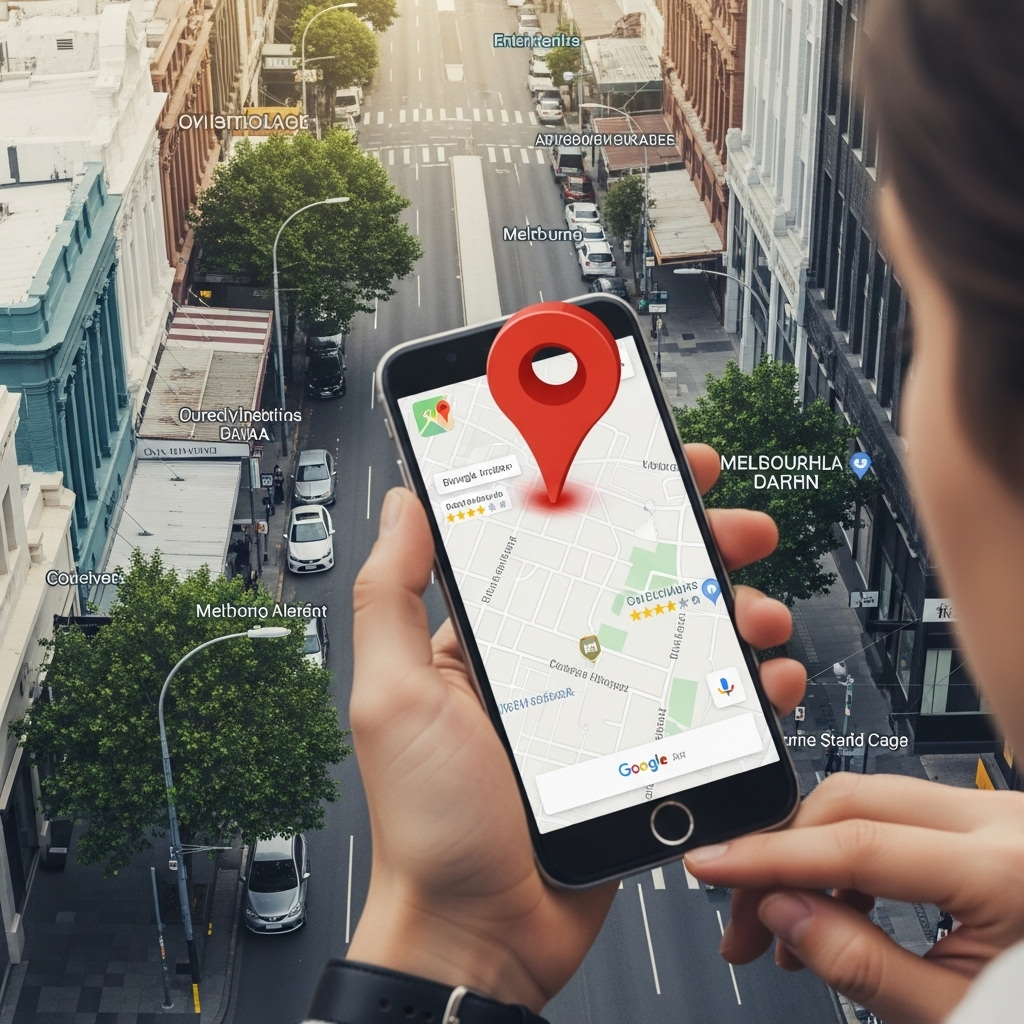
Step 1: Laying the Foundation – Your Google Business Profile (GBP)
Your Google Business Profile (GBP) is the bedrock of your local search presence. Without a well-optimised GBP, your efforts in Google Maps SEO will fall flat.
Claiming and Verifying Your Google Business Profile: This is the non-negotiable first step. If you haven’t already, claim your business on Google. Verification typically involves receiving a postcard with a code or a phone call/email. Google’s official resources offer excellent guidance on this process. For detailed instructions, refer to Google Business Profile Help or even Tourism Australia’s guide on creating a Google listing, which applies broadly to all Australian businesses.
Ensuring NAP Consistency: NAP stands for Name, Address, Phone Number. It’s critical that your business’s NAP details are identical across all your online platforms – your website, social media, and every directory listing. Inconsistencies can confuse Google and diminish your local ranking power.
Selecting Accurate Primary and Secondary Business Categories: Google uses these categories to understand what your business does and display it for relevant searches. Be specific and accurate. A café in Fitzroy shouldn’t just be “Restaurant”; it should be “Café” (primary) and perhaps “Coffee Shop” or “Breakfast Restaurant” (secondary).
Defining Service Areas (if applicable): If your business doesn’t have a physical storefront (e.g., a mobile mechanic, a cleaning service, or a digital agency like Codemax that serves clients remotely or on-site), make sure to clearly define your service areas within your GBP settings. This tells Google where you’re able to serve customers.
Step 2: Optimising Your GBP for Maximum Impact
Once your GBP is established, it’s time to supercharge it with compelling information that attracts both Google’s algorithm and potential customers.
Crafting a Compelling and Keyword-Rich Business Description: Use natural language to describe your business, what you offer, and what makes you unique. Crucially, weave in relevant keywords that potential customers might use when searching for your products or services (e.g., “award-winning artisan bakery in Newtown Sydney” or “reliable commercial electricians Brisbane”).
Uploading High-Quality Photos and Videos: Visuals are incredibly powerful. Include your logo, a clear photo of your storefront, pictures of your products or services in action, and even photos of your friendly team. Show off your unique Australian flavour! A well-curated photo gallery significantly boosts engagement and trust.
Utilising Google Posts for Announcements, Offers, and Events: Google Posts are like mini-blog posts or social media updates directly on your GBP. Use them to announce a new menu item, a special offer for locals, an upcoming event, or just share news. These posts appear prominently in search results and can drive immediate interest.
Populating the ‘Products’ and ‘Services’ Sections: Don’t leave these blank! Detail your offerings with descriptions, pricing (if applicable), and even calls to action. This gives Google more information to match your business with relevant searches and provides customers with a clearer understanding of what you provide.
Proactively Answering Questions in the Q&A Section: The Q&A section allows customers to ask questions directly about your business. Monitor this section closely and provide helpful, concise answers. You can also proactively add frequently asked questions and their answers to provide immediate value.
Step 3: Reputation Management – Reviews Are Your Goldmine
In the world of Google Maps SEO, reviews aren’t just feedback; they’re social proof, trust signals, and a significant ranking factor.
Strategically Encouraging Customers to Leave Google Reviews: The best way to get reviews is to ask! Make it easy by sending a direct link, placing a QR code at your checkout, or simply asking politely after a successful service. For Australian businesses, a friendly, genuine request often goes a long way.
Responding Promptly and Professionally to All Reviews: Whether positive or negative, every review deserves a response. Thank customers for their positive feedback. For negative reviews, acknowledge their concerns, apologise, and offer a solution or explain how you’ll improve. Your responses demonstrate excellent customer service and commitment to satisfaction.
Understanding the Impact of Review Quantity, Quality, and Recency: Google’s algorithm pays attention to how many reviews you have, their average star rating, and how recent they are. A steady stream of positive, fresh reviews signals to Google that your business is active, reputable, and customer-focused.
Leveraging Positive Reviews in Your Marketing Efforts: Don’t let those glowing reviews sit unnoticed! Share them on your website, social media, and in marketing materials. They’re powerful testimonials that build trust with potential customers.
Step 4: Beyond Your GBP – Expanding Your Local Footprint
While your GBP is central, effective Google Maps SEO requires a broader strategy that extends to your website and other online presences.
Building Local Citations: These are online mentions of your business’s NAP information. Listing your business in relevant Australian directories significantly boosts your local authority. Think about platforms like Yellow Pages Australia, TrueLocal, Yelp Australia, White Pages, and industry-specific directories.
Local Link Building: Securing backlinks from other reputable local businesses, community groups (e.g., local sporting clubs, Rotary), and Australian news sites in your area sends strong signals to Google about your local relevance and trustworthiness. For more on this, check out The Essential Local SEO Strategy Guide by Moz.
On-Page Local SEO: Your website plays a crucial role. Optimise your website with location-specific keywords throughout your content, create dedicated service area pages if you serve multiple locations (e.g., “web design Melbourne,” “digital marketing Sydney”), and implement local schema markup. This structured data helps search engines understand your business’s location and services more effectively. Learn more about fundamental SEO practices with the SEO Starter Guide from Google Search Central.
Ensuring Your Website Is Mobile-Friendly: With so many local searches happening on smartphones, a responsive, fast-loading, and mobile-friendly website is non-negotiable. Google prioritises mobile-first indexing, meaning your site’s mobile performance directly impacts your search visibility. Ensuring your website is well-maintained and performs optimally, perhaps through expert WordPress Management by Codemax, is crucial for this.
Step 5: Monitoring, Analysing, and Adapting for Continuous Growth
Google Maps SEO isn’t a set-and-forget task; it’s an ongoing process of refinement and adaptation.
Leveraging Google Business Profile Insights: Your GBP dashboard provides valuable data on how customers are finding and interacting with your listing. You can see how many times your business appeared in search results, how many people called you directly, visited your website, or requested directions. Use these insights to refine your strategies.
Tracking Your Local Search Rankings and Visibility: Regularly monitor your performance for target keywords. Are you appearing in the ‘local pack’ (the top 3 results on Google Maps)? Are you showing up for relevant ‘near me’ searches? Tools can help you track this over time.
Staying Informed About Google Algorithm Updates and Local SEO Trends: Google regularly updates its algorithms. Keeping abreast of these changes and emerging local SEO trends ensures your strategies remain effective. For businesses looking to truly dominate their local search presence, partnering with a leading Australian digital solutions provider like Codemax can make all the difference, helping you stay ahead of the curve.
* Regularly Updating Your GBP with New Information, Photos, and Posts: Treat your GBP as a living, breathing entity. Keep your business hours current, add new services or products, refresh your photos, and publish regular Google Posts. An active and up-to-date profile signals relevance and reliability to both Google and your customers.
Conclusion: Get Found, Grow Your Australian Business
Mastering your Google Maps SEO is no longer optional; it’s a fundamental pillar for any Australian business aiming to thrive in the digital age. By diligently working through this A-Z checklist – from optimising your Google Business Profile and managing your reputation, to expanding your local footprint and continuously monitoring your performance – you’ll significantly enhance your local online presence. Remember, local SEO is an ongoing journey, not a destination. Consistent effort and strategic updates are key to long-term success.
It’s time to stop leaving money on the table and start connecting with the thousands of Australian customers searching for businesses like yours every single day. Don’t let your competitors steal the spotlight. Transform your local online presence and unlock a powerful channel for growth.
For Australian businesses seeking expert guidance on web development, local SEO, and comprehensive digital solutions, partnering with a specialist firm like Codemax can provide a significant competitive advantage. Our team understands the unique challenges and opportunities within the Australian market and can craft tailored strategies to get you found where it matters most.
Ready to supercharge your local search visibility and attract more Australian customers? Visit our About Us page to learn more about our expertise, or explore our services at Codemax today. Let’s get your business shining brightly on Google Maps!