
AI for Oceans is an educational activity from Code.org that introduces machine-learning ideas through an ocean-themed exercise. It is a learning simulation, not a live system removing rubbish from the sea. That distinction matters because the activity is useful precisely when you discuss what its simplified examples teach.
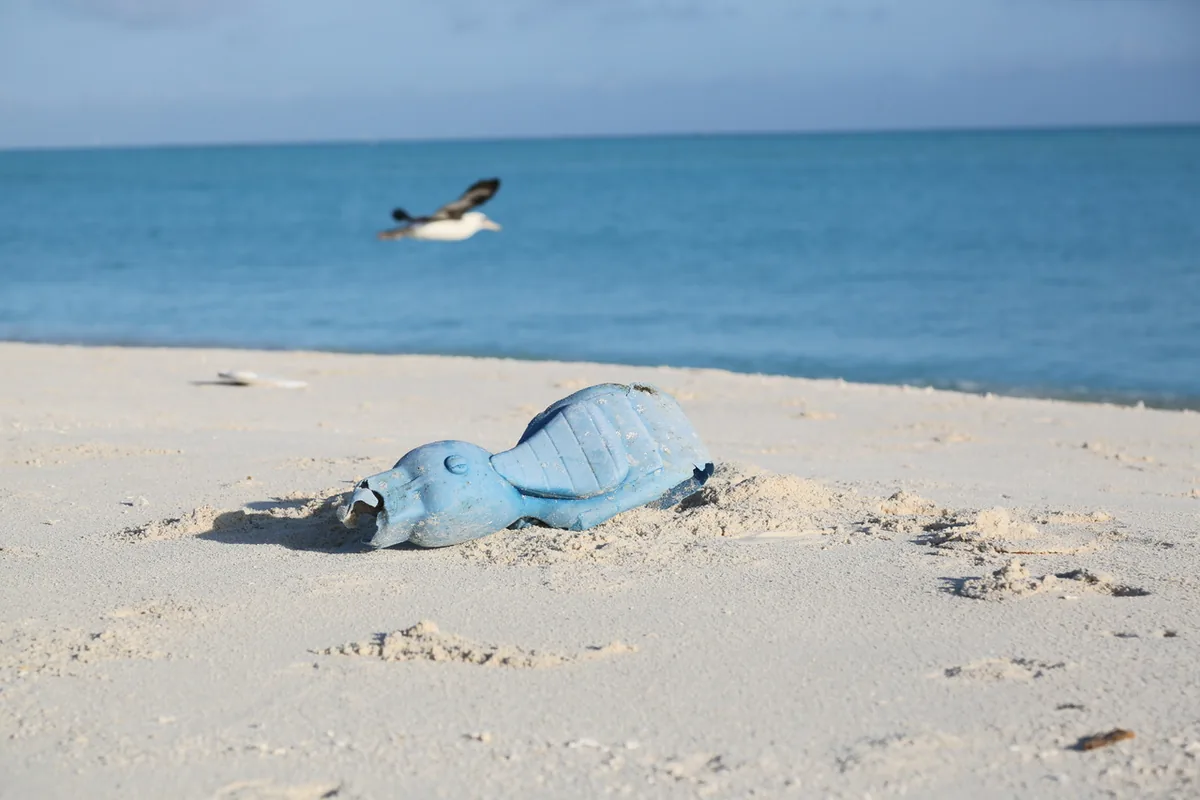
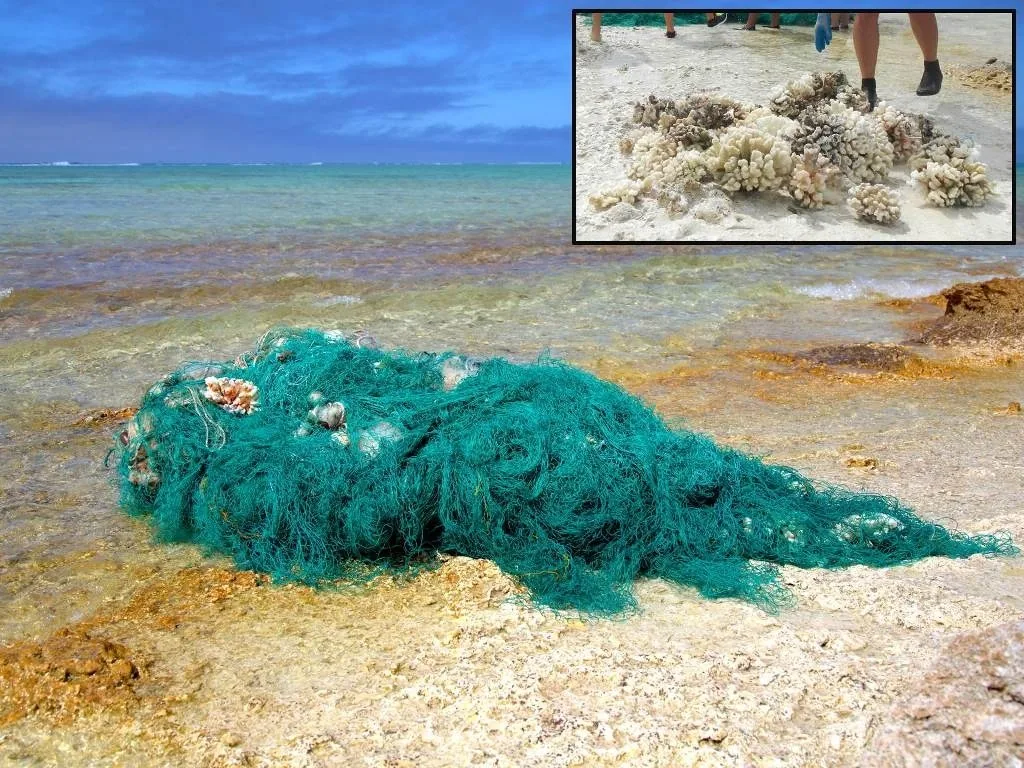
The real photographs below are historical context for discussion, not screenshots or outputs of the activity. CodeMax is not affiliated with Code.org or NOAA.
What the activity is designed to illustrate
The lesson asks learners to classify examples, including distinguishing fish from things that are not fish. Later exercises explore other categories. This gives a concrete way to discuss how the examples supplied to a system influence what it learns to recognise.
Open the official lesson rather than an imitation site. A teacher or parent can review the instructions first and decide how to support the learner. The activity's interface may change, but the central discussion about data and classification remains useful.
Make a prediction before the next result
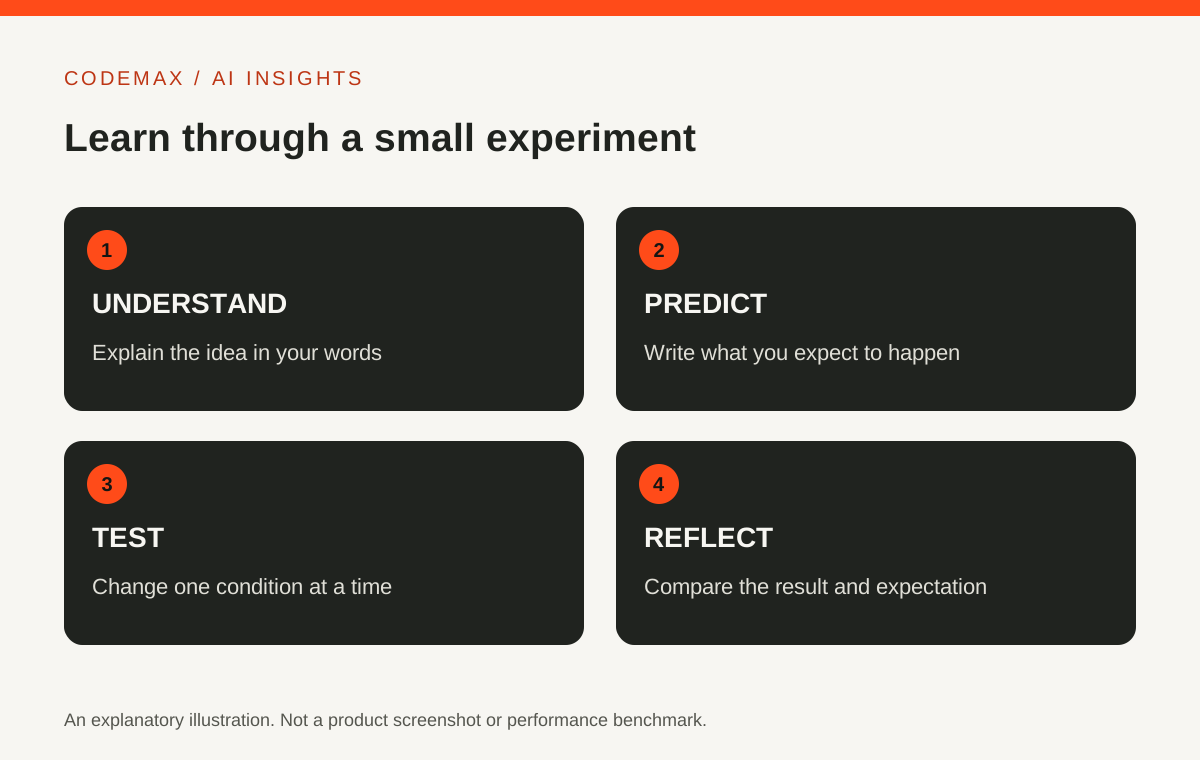
Ask the learner what they expect the system to do and why. After seeing an output, compare it with that expectation. Was the category clear? Were the examples varied? Did the learner accidentally teach a pattern that was not the intended rule?
This turns clicking through the exercise into an investigation. The goal is not to get every response right immediately. It is to notice how choices in the training examples can affect later decisions and how a mistake can reveal a missing case.
Discuss the difference between a label and reality
A category name can seem simple while its boundaries are ambiguous. An unusual shape, colour or object may expose that ambiguity. Ask whether two people would always label the same example the same way.
For a follow-up away from the screen, sort a set of ordinary objects using a rule such as things used for drawing. Discuss objects that could belong in more than one group. This original extension helps learners see that labels are decisions made by people, not properties a computer automatically understands perfectly.

Avoid overstating what the demonstration proves
Completing the activity does not show that a system understands the ocean, ecology or all kinds of visual data. It demonstrates a limited learning problem. Real-world systems need broader data, evaluation and an understanding of the consequences of mistakes.
Ask learners to name something the activity cannot tell them. For example, can a classification result explain whether an object is dangerous to wildlife? That question requires information beyond the simple label in the exercise.
End with questions, not just a score
Invite the learner to explain what examples they would add and which mistakes they would test next. Ask how a system might behave if an important type of example never appeared during training. Their explanation is more informative than whether they reached the final screen.
AI for Oceans is a useful entry point into AI literacy because it makes an abstract topic approachable. Use it as the beginning of a conversation about data, assumptions and evidence, rather than proof that AI can solve every environmental problem.
Sources and further reading
Source-based explainer researched on 30 September 2026; activity sources and photograph rights rechecked on 14 October 2026. Product features and availability can change. Examples are illustrative unless identified as reported research.
Explore more AI news and insights or browse the CodeMax journal.